Surge Protection for Homes and Businesses: Complete Guide
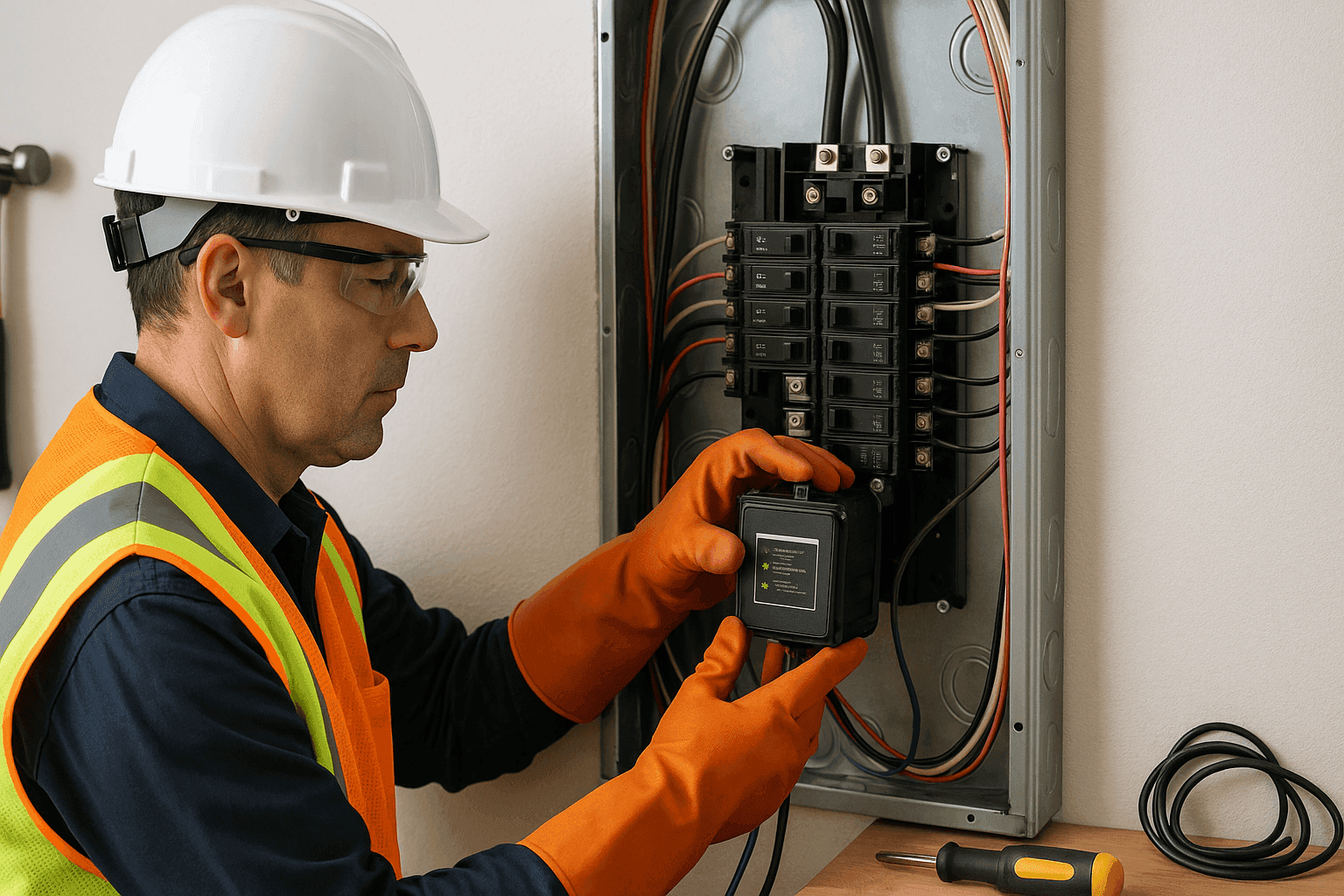
Electricity is the lifeblood of our modern world. It powers your morning coffee machine, keeps servers running in businesses, and even charges your electric car at night. But with all this convenience comes risk—one unpredictable surge can fry delicate devices in seconds.
At All Saints Electrical, we know firsthand how sudden electrical surges can disrupt homes and businesses. As your go-to emergency electrician, we’re here to help you understand, prevent, and recover from these costly shocks.
What Causes Electrical Surges? ⚡
Think of an electrical surge as a tidal wave in your wiring. Most of the time, the “sea” of electricity is calm, flowing smoothly through circuits. But sometimes, something stirs it up:
- Lightning strikes: The most dramatic—and damaging—cause. A bolt can send a massive spike through power lines straight into your building.
- Power grid switching: Utility companies often reroute power, causing brief but powerful surges.
- Large appliances cycling on/off: Air conditioners, refrigerators, and industrial machines can trigger mini-surges when their motors start or stop.
- Faulty or outdated wiring: Old wires act like leaky pipes—letting surges slip through to sensitive electronics.
- Downed power lines or accidents: Unexpected events on the grid can send unexpected jolts your way.
Even if you live far from stormy weather, surges can sneak in from normal day-to-day operations. Modern homes and businesses, packed with electronics, are more vulnerable than ever.
Risks and Cost of Damage
An electrical surge doesn’t just flicker the lights. It can silently destroy:
- Computers and servers
- Smart TVs and entertainment systems
- Industrial machinery
- Security systems and intercoms
- HVAC controls
- Medical devices
For a homeowner, this might mean losing years of family memories stored on a hard drive. For a business, it could mean hours of downtime, lost orders, or expensive repairs. The cost? Sometimes just a few hundred dollars… but major surges can cause damage into the tens of thousands.
Insurance may cover some losses, but policies often exclude damage from “gradual” surges or improper protection. That’s why being proactive matters.
Types of Surge Protectors
Not all surge protectors are created equal. Choosing the right one is like picking the right lock for your front door. Here’s what you need to know:
Plug-In Surge Protectors
- What they do: Plug into wall outlets; protect connected devices like computers or TVs.
- Best for: Small electronics and home use.
- Limitations: Can’t stop large surges entering through wiring; won’t protect hardwired appliances (like ovens or HVAC units).
Panel-Mounted Surge Protectors
- What they do: Installed directly on your main electrical panel.
- Best for: Whole-building protection—shields all circuits from incoming surges.
- Limitations: Must be professionally installed; can be more costly upfront.
Whole-Building and Commercial Solutions
- What they do: Industrial-grade protection for entire facilities, often with multiple layers.
- Best for: Businesses with expensive equipment, data centers, or industrial machinery.
- Limitations: Requires custom design and regular maintenance.
Key Differences
- Scope: Plug-in units protect specific outlets. Panel-mounted units cover everything downstream from your breaker panel.
- Strength: Panel and whole-building protectors handle much larger surges.
- Compliance: Professional installation ensures compliance with local building and safety codes (like the National Electrical Code).
Installation and Maintenance
Proper installation is not a DIY job. Surge protection must be:
- Sized correctly for your building and devices.
- Installed at the main service panel (for whole-building types).
- Bonded and grounded according to code—this is your safety net.
- Inspected regularly for wear, especially after major storms.
Manufacturer Recommendations
Manufacturers like Eaton, Leviton, and Siemens clearly state that surge protectors lose effectiveness after repeated hits. Some models have indicator lights or alarms to signal when they need replacing.
Tips from the Field
- Always use a licensed emergency electrician for installation. The risks of a poor install aren’t worth it.
- Keep records of installs and maintenance—this helps with insurance and warranty claims.
- If your protector trips or signals failure, replace it immediately.
Seasonal Surge Risks (Storms, Holidays) 🌩️
Surges don’t follow a calendar, but some times of year are riskier:
- Storm season: Lightning is a surge’s best friend. Summer thunderstorms can produce spikes that overwhelm basic protection.
- Holiday overload: Plugging in lots of lights and decorations can overtax circuits and trigger surges.
- Spring and fall: Power grid maintenance and switching is more common, causing unpredictable jolts.
Extra vigilance and timely inspections during these periods can prevent disaster.
The Vulnerability of Modern Devices
Today’s electronics are like racecars: fast, powerful, but delicate. Microchips in smart fridges or industrial robots can’t handle the same rough treatment as old light bulbs.
More devices are “always on,” drawing power 24/7. Even a tiny surge can shorten their lifespan or cause invisible damage that doesn’t show up until weeks or months later.
Code Compliance and Safety Guidelines
Surge protection isn’t just smart—it’s often required. The National Electrical Code (NEC) now mandates surge protection for many new residential and commercial builds.
- Code reference: NEC Article 230.67—Surge Protection
- Local rules: Some areas have even stricter requirements. Always check with a professional who knows the codes for Electrical System Installation near you.
Expert Installation Tips
- Location matters: Install as close to the main breaker as possible for the fastest response.
- Grounding is key: A poor ground is like an umbrella with holes. Proper bonding ensures surges go where they should—away from your equipment.
- Layered protection: For critical sites, combine panel-mounted units with plug-in protectors for sensitive gear.
Frequently Asked Questions
Do plug-in surge protectors work for refrigerators or HVAC units?
No. These large, hardwired appliances need protection at the panel, not just at the outlet. Only whole-house solutions will reliably shield them.
Can surge protectors stop lightning strikes?
They can help, but nothing is foolproof against a direct hit. Still, they dramatically reduce the risk of damage from indirect strikes or nearby lightning activity.
How long do surge protectors last?
Most last 3–5 years, but major surges can shorten their lifespan. Always check indicator lights and schedule annual inspections.
Are “power strips” and surge protectors the same?
No. Many power strips only add extra outlets—they don’t necessarily provide surge protection. Look for UL 1449 certification and check the specs.
Common Myths—Debunked
- Myth: “I only need one surge protector for my whole house.”
- Reality: You need layered protection for full coverage, especially in larger buildings.
- Myth: “My circuit breakers protect against surges.”
- Reality: Breakers trip on overloads or shorts, not surges.
- Myth: “I can install a surge protector myself.”
- Reality: A poor install can be worse than none at all—leave panel work to a trained emergency electrician.
Importance of Regular Inspections and Timely Upgrades
Surge protection isn’t set-and-forget. Just like smoke detectors, these systems need checking and, sometimes, replacing. Weather, grid changes, and new devices all shift your risk profile.
A regular safety inspection from an emergency electrician helps catch problems early. Upgrading as new technology appears keeps your property—and your peace of mind—intact.
Don’t wait for the next storm or power spike to ruin your day. Call All Saints Electrical now — or reach us anytime at 888-854-9853 .