Electrical Panel Upgrades: Why, When, and How Much?
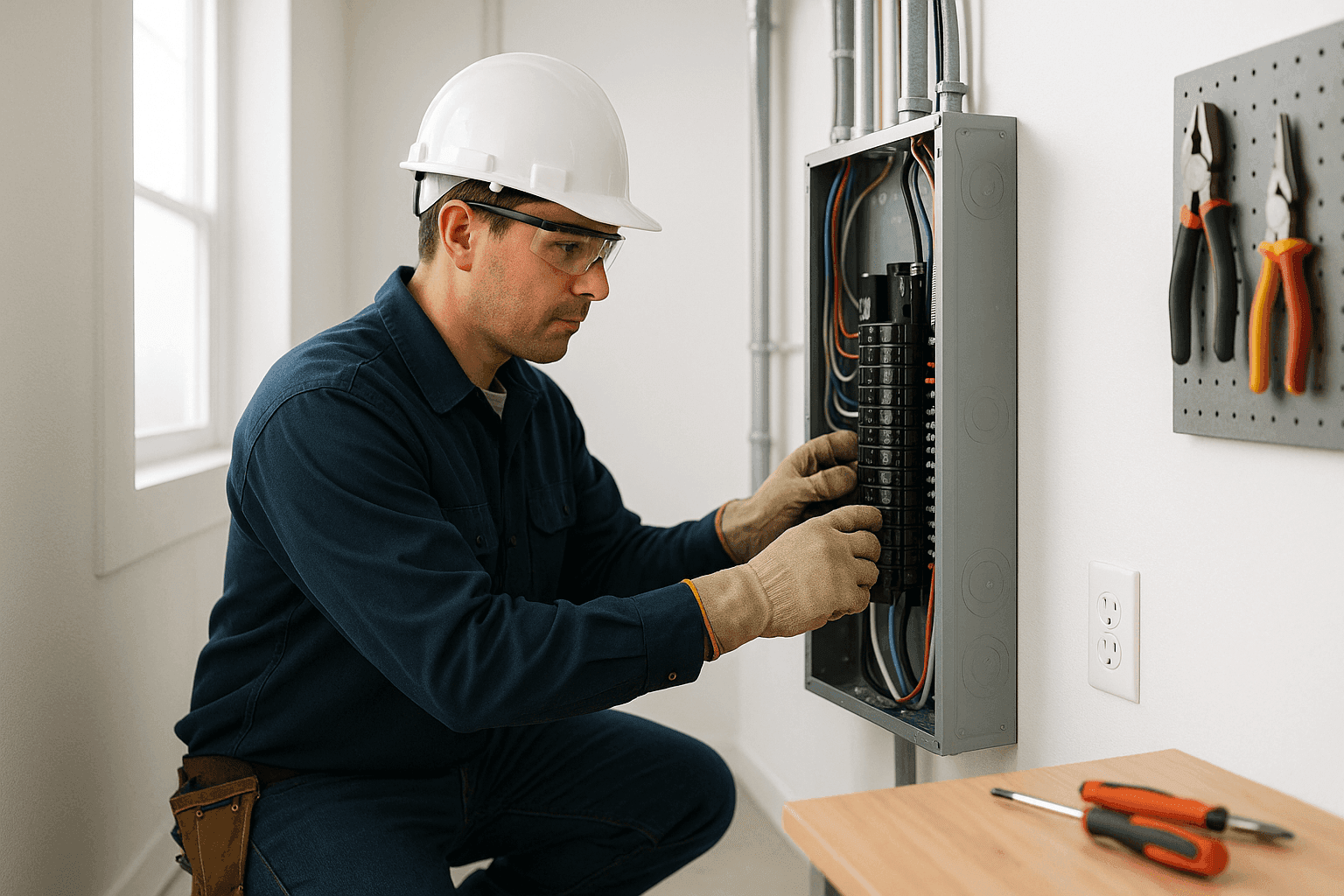
Is your breaker panel older than your favorite classic movie? Do lights flicker when you plug in a vacuum, or do you hear buzzing from behind the wall? Electrical panels are the silent guardians of our homes and businesses—until they aren’t. At All Saints Electrical, our licensed electricians see the risks and headaches that come from outdated systems every day.
Waiting too long to upgrade isn’t just inconvenient. It can lead to serious risks: fire hazards, failed insurance inspections, and costly downtime. Whether you’re running a busy office or relaxing at home, your panel is the heartbeat of safety and comfort.
Signs Your Panel Needs Upgrading ⚡
Sometimes, panels send clear signals. Other times, the warnings are subtle. Watch for these signs:
- Frequent breaker trips: If breakers pop more often than toast, your panel is likely overloaded.
- Flickering or dimming lights: Especially when appliances kick on, this hints at struggling circuits.
- Warm or buzzing panel: Heat or noise from the panel isn’t normal—it’s a red flag.
- Old fuse box: Still using screw-in fuses? Definitely time to upgrade.
- Lack of capacity: Adding an EV charger, hot tub, or new appliances? Old panels can’t keep up.
- Burn marks or a burning smell: Shut off power and call an emergency electrician immediately.
- No main breaker: Modern codes require this; older panels may not comply.
Ignoring these is like driving a car with a “check engine” light—eventually, something gives.
Benefits of Modern Panels
Modern panels are more than metal boxes—they’re the brain of your building’s power. Here’s why upgrading matters:
- Safety first: New panels meet today’s strict safety codes (see the National Electrical Code, NEC). They’re designed to reduce fire risk and protect against overloads.
- Insurance compliance: Many insurers won’t cover properties with outdated panels. Upgrading can keep your policy valid.
- Handling more power: Modern life needs more juice. Think EV chargers, high-powered appliances, and computer networks. A new panel handles it all without breaking a sweat.
- Future-proofing: Additions, renovations, or business growth? You’re ready.
- Boosted property value: Buyers look for safe, up-to-date electrical systems. Upgrading can make your property more attractive.
- Better reliability: Say goodbye to nuisance trips and surprise outages.
Upgrade Process Explained
Wondering what actually happens during a panel upgrade? Here’s how All Saints Electrical approaches it:
- Assessment: A licensed, bonded electrician inspects your current system. We check wiring, grounding, and existing loads.
- Design: We recommend the right size and type of panel. This depends on today’s needs and what tomorrow might bring—like that dream kitchen or new EV.
- Permitting: All work follows local codes and requires proper permits. We handle the paperwork.
- Power shutdown: For safety, we temporarily turn off power. (For businesses, we’ll schedule this to minimize disruption.)
- Panel replacement: Out goes the old, in comes the new. We update wiring, breakers, and connections.
- Testing: Every circuit gets checked for safety and performance.
- Inspection: A city or county inspector reviews the work before sign-off.
- Cleanup and review: We walk you through the new setup, label circuits, and answer questions.
All Saints Electrical uses only UL-listed panels and materials, and our work meets or exceeds NEC and state requirements.
Typical Costs and Factors 💡
No two upgrades are exactly alike. Costs vary, but here’s what affects the final bill:
- Panel size: Higher amperage (like 200 amp vs. 100 amp) costs more.
- Number of circuits: More circuits mean more breakers and wiring.
- Labor: Complex jobs—like rewiring or upgrading service lines—take more time.
- Permits and inspections: Required by law and priced by your local jurisdiction.
- Accessibility: Hard-to-reach panels (think cramped closets or tight basements) add labor time.
- Additional upgrades: Need surge protection, generator hookups, or GFCI/AFCI breakers? Each adds to the cost.
- Emergency service: After-hours or urgent calls may cost more.
For a typical residential panel, expect costs to reflect the complexity and scope. Commercial properties, or those adding EV chargers or machinery, may see higher numbers. Always ask for a written estimate, and never settle for work done “under the table.”
Choosing the Right Professional
Electrical work isn’t the place to cut corners. Here’s what to look for:
- Licensed and bonded: This protects you and ensures the work meets code.
- Warrantied work: Most reputable contractors back their labor and materials for at least a year.
- Experience with your property type: Residential and commercial panels have different requirements.
- Clear communication: The right electrician explains the process, timelines, and costs up front.
- Familiarity with modern codes: Ask about their knowledge of NEC 2023 or your local amendments.
At All Saints Electrical, our team is fully licensed, insured, and committed to safety. We handle everything from small apartments to large commercial sites. References are always available on request.
The Risks of Outdated Panels
Why act now? Here’s what’s at stake if you wait:
- Fire hazards: Overloaded or worn panels can arc and spark. The U.S. Fire Administration cites electrical malfunctions as a top cause of building fires.
- Insurance headaches: Claims can be denied if the panel is non-compliant.
- Failed inspections: Planning to sell or refinance? Outdated panels can stall the process.
- Code violations: Municipal codes change. If your panel isn’t up to date, you could face fines or forced upgrades.
- Downtime: For businesses, tripped breakers or outages mean lost revenue.
Real-World Scenarios
- Homeowners: Adding a hot tub? Upgrading your kitchen? Installing an EV charger? Your old 100-amp panel may not be up to the task.
- Business owners: Expanding your office, adding machinery, or upgrading lighting? Modern panels handle higher and more stable loads.
Practical Tips for Home and Business Owners
- Don’t ignore warning signs: Flickering lights, warm panels, and frequent trips aren’t “just quirks.”
- Schedule regular inspections: NFPA recommends an electrical safety inspection every 3–5 years, or before buying/selling.
- Keep records: Document all upgrades for insurance and resale.
- Ask about surge protection: Modern panels can include whole-house or facility-wide protection.
- Label your circuits: It saves time in emergencies.
Panel Upgrades Enhance Safety and Value
Upgrading your electrical panel isn’t just a “nice to have”—it’s a critical investment in your property’s safety, reliability, and future value. Whether you’re a homeowner looking for peace of mind, or a business owner aiming to avoid downtime, a modern panel keeps your building running smoothly.
Need help right now? Whether it’s an emergency electrician for urgent repairs, or you’re planning an Electrical System Installation near you, All Saints Electrical is ready—24/7.
Call All Saints Electrical now — or reach us anytime at 888-854-9853 .