Emergency Electrician Guide: What to Do Before Help Arrives
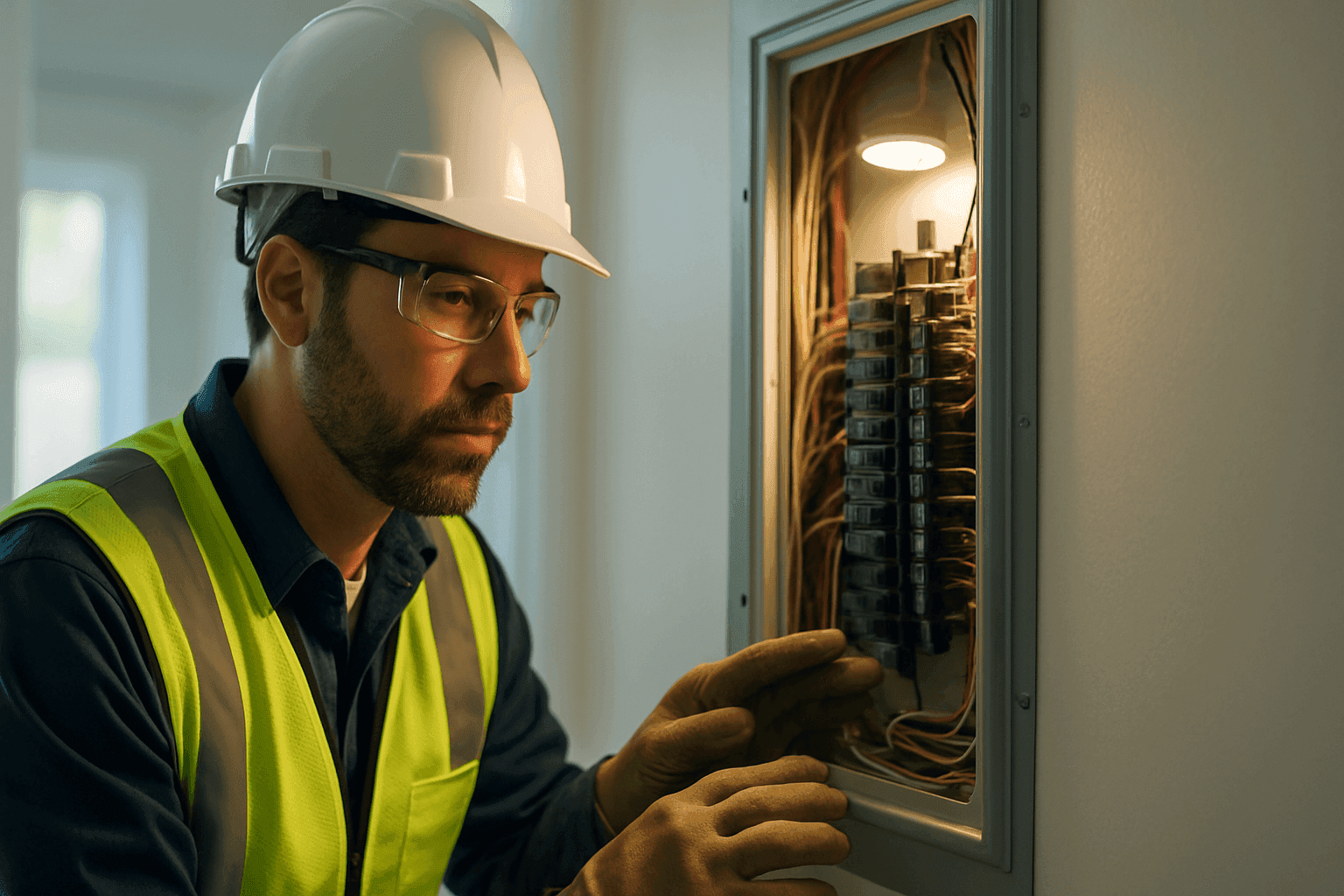
When the lights flicker out or sparks fly from an outlet, your heart leaps. Electrical emergencies strike fast. Panic is normal—but quick, smart action can keep everyone safe. At All Saints Electrical, we’ve seen it all: from midnight outages to sudden smoke at a workplace. Our certified electricians train year-round to handle these moments with calm and skill.
Whether you’re a homeowner or managing a business, knowing what to do before your emergency electrician arrives makes all the difference. Here’s your essential guide to navigating electrical crises safely.
Recognizing Common Electrical Emergencies ⚡
Electrical emergencies rarely announce themselves with fanfare. Sometimes it’s a burnt smell, other times, a sudden pop or darkened room. According to the Electrical Safety Foundation International (ESFI), the most frequent causes of electrical fires are overloaded circuits, faulty wiring, and malfunctioning appliances.
Watch for these warning signs:
- Sparks or smoke from outlets, switches, or appliances
- Buzzing, crackling, or popping sounds near electrical panels
- Burning odors—especially plastic or metallic smells
- Frequent breaker trips or blown fuses
- Flickering lights that don’t stop when you tighten bulbs
- Shocks or tingling sensations when touching appliances or switches
- Visible scorch marks on outlets or cords
In commercial spaces, machine wiring and high-voltage systems add extra risk. If you notice strange noises from industrial panels, or if equipment powers down unexpectedly, treat it as urgent.
Immediate Safety Steps: Your Quick Checklist
When an electrical emergency strikes, seconds matter. Here’s what you can do—no tools or expertise needed:
- Stay calm. Take a deep breath. Panic clouds judgment.
- Switch off the main breaker. If it’s safe to reach, shut off power at the main electrical panel. This cuts electricity to the entire building.
- Evacuate if you see smoke, flames, or smell burning. Your safety comes first. Get everyone out, including pets.
- Call emergency services (fire department) if fire is present.
- Keep clear of water. Never touch electrical devices or panels if there’s water on the floor or nearby.
- Avoid touching metal objects or exposed wires.
- Unplug small appliances, if it’s safe. Only do this if you’re sure there’s no fire or water hazard.
- Close doors behind you if evacuating. This can slow the spread of fire.
Remember: You are not expected to fix the problem. Just focus on minimizing risk until your emergency electrician arrives.
What to Avoid During an Outage or Fire
It’s tempting to play detective. But in an emergency, some actions create much bigger hazards:
- Don’t use water to fight electrical fires. Water conducts electricity and can make matters worse.
- Don’t attempt DIY repairs or panel resets if you don’t know the system.
- Don’t touch downed power lines. Stay at least 30 feet away and keep others back.
- Don’t ignore warning signs. That strange smell or flicker isn’t “just a blip.”
- Don’t use extension cords to “patch” problems. This can overload circuits, especially in commercial or workshop settings.
If you’re in doubt, step away and wait for professionals. Let certified electricians—who follow National Electrical Code (NEC) standards—handle the danger.
When to Call an Emergency Electrician
Some situations can’t wait. Call an emergency electrician immediately if:
- You see or smell smoke coming from electrical equipment
- There’s a power outage and your neighbors have power
- Breakers trip repeatedly with no clear cause
- Outlets or switches are hot, sparking, or discolored
- Water has flooded any area with electrical outlets or panels
- You experience electrical shocks or tingling from appliances
- You hear buzzing or popping from your electrical panel
Both residential and commercial properties face unique risks. For businesses, downtime can mean lost revenue or safety hazards for staff. Don’t delay—a prompt call to All Saints Electrical keeps people and property protected.
DIY vs. Call a Pro: Knowing Your Limits
It’s natural to want to help. But electrical systems are like a city’s subway: complex, hidden, and dangerous without the right map. Even flipping the wrong switch can have consequences.
What you can do safely:
- Turn off the main breaker (if dry and accessible)
- Move people and pets away from danger
- Call emergency services and your emergency electrician
What you shouldn’t do:
- Open panels or breakers you’re unfamiliar with
- Attempt repairs or rewiring
- Use “testers” or gadgets if you’re not trained
- Ignore the problem, hoping it will go away
Professional electricians at All Saints Electrical receive continuous training and certifications. We use insulated tools, digital meters, and follow strict safety codes—tools and knowledge most people don’t have at home or work.
What Pros Do On Arrival
When your emergency electrician arrives, the first step is always safety. Here’s what you can expect:
- Assessment: Visual inspection for fire, water, and immediate hazards.
- Testing: Use of voltage testers and thermal cameras to pinpoint faults.
- System isolation: Shutting down affected circuits to prevent further damage.
- Repair or contain: Temporary fixes to restore essential services, or contain hazards until full repairs can be scheduled.
- Advice: Recommendations for follow-up work, system upgrades, or safety improvements.
All Saints Electrical teams are trained to handle everything from high-voltage wiring to sensitive data cabling, so both homes and commercial sites are covered. We stay up to date on NEC code changes and the latest technology.
Prevention & Maintenance: How to Avoid Future Emergencies
Most electrical emergencies are preventable. Like checking your car’s brakes, regular electrical inspections save lives and money. ESFI reports that homes with up-to-date wiring and annual inspections are 50% less likely to experience electrical fires.
Key prevention steps:
- Annual electrical safety inspections for both homes and businesses
- Upgrading old wiring (especially in buildings 30+ years old)
- Installing surge protection to guard against lightning or power surges
- Regular maintenance on backup generators, panels, and outlets
- Testing smoke and carbon monoxide detectors monthly
- Having certified electricians handle all installations—from ceiling fans to EV chargers
If you’re moving into a new property or expanding your business, ask about a full Electrical System Installation near you. Routine safety checks are the best way to sleep soundly.
Costs & Time Factors: What to Expect
Emergency electrical work can vary greatly in time and cost. Factors include:
- Type of emergency: Simple breaker trips are faster to resolve than full rewiring after a fire.
- Access: Hard-to-reach panels or commercial spaces may take longer.
- Parts needed: Some repairs require special-order components.
- Time of day: Night, weekend, and holiday calls may take longer due to demand.
On average, expect an emergency visit to last anywhere from 1–4 hours. More complex jobs, like restoring power after a major outage or repairing high-voltage systems, may take longer.
When It’s an Emergency
Not every electrical issue is a crisis—but if there’s any risk to safety or property, treat it as urgent. If you’re unsure, call a certified emergency electrician and describe the situation. It’s always better to ask than to regret waiting.
FAQ
Q: Can I use a fire extinguisher on an electrical fire?
A: Only use a Class C (electrical) extinguisher. Never use water—powder or CO₂ extinguishers are safest.
Q: Is it safe to flip breakers back on after an outage?
A: Only if you know the cause is resolved (e.g., a tripped appliance). If you hear buzzing, smell burning, or if the breaker trips again, call an emergency electrician.
Q: How often should I get my wiring checked?
A: Most industry guidelines (including NEC and ESFI) recommend annual inspections for older homes or commercial buildings.
Q: What’s the most common cause of electrical emergencies?
A: According to ESFI, overloaded circuits and aging wiring top the list for both residential and commercial properties.
Local & Seasonal Considerations 🔥
Storms, floods, and heatwaves all increase the risk of electrical emergencies. In summer, air conditioners can overload circuits. In wet seasons, flooding can compromise outlets and panels—especially in basements and commercial kitchens. Always keep panels dry and clear of obstructions, and call for a safety inspection if your area is prone to severe weather.
Annual Inspections: Your Best Defense
There’s no substitute for professional oversight. Annual inspections by certified electricians catch small problems before they spark big emergencies. Whether you’re maintaining a family home or a busy commercial site, proactive maintenance is your shield against the unexpected.
When the lights go out or sparks fly, your safety is what matters most. Know the steps. Call the pros. And remember, All Saints Electrical is ready—day or night—to keep your home or business safe.
Call All Saints Electrical now — or reach us anytime at 888-854-9853 .