Backup Generators: Choosing, Installing, and Maintaining Power Security
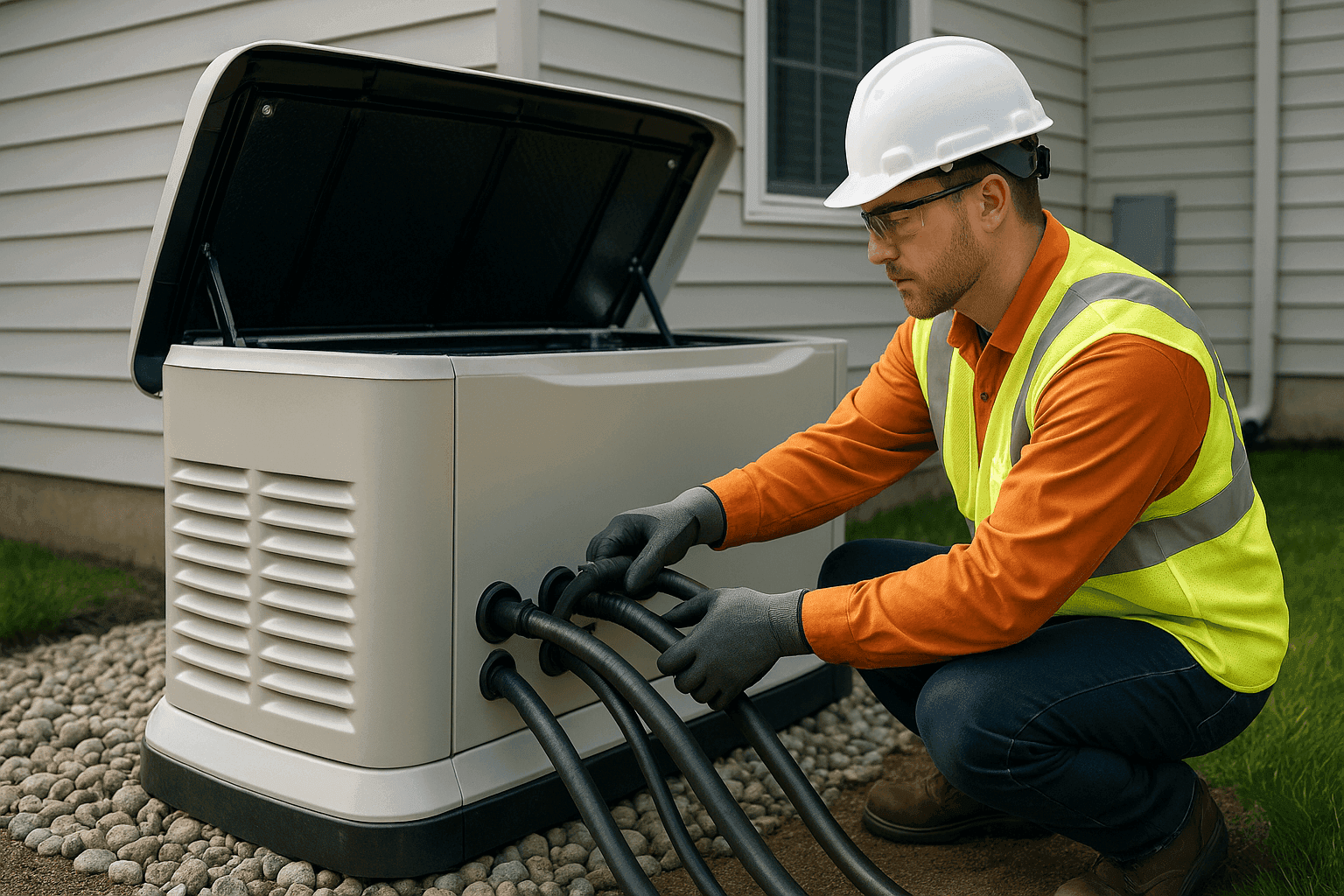
Power outages don’t wait for a convenient time. They arrive in the middle of storms, during heatwaves, or when you least expect them, leaving you in the dark and scrambling. For families, businesses, and anyone who depends on electricity, losing power can feel like being stranded on an island with the bridge suddenly gone.
At All Saints Electrical, we know just how vital reliable power is—whether you’re keeping the lights on at home, safeguarding sensitive data at the office, or making sure essential equipment never skips a beat. Backup generators are your safety net. Let’s break down what you need to know, from picking the right type to keeping your generator ready for the next blackout.
Why Backup Power Matters ⚡
Picture this: It’s midnight, the wind howls, and the lights flicker. Suddenly, silence. No fridge hum. No Wi-Fi. For businesses, maybe the security system is down or essential machinery stops. That’s more than an inconvenience—it’s lost revenue, spoiled food, safety risks, and stress.
Backup generators keep your world running when the main grid can’t. They’re your invisible shield against storms, grid failures, and unexpected outages. For hospitals, grocery stores, and data centers, they’re mission-critical. Even at home, they keep heating, cooling, and medical devices running, and your family safe.
The right generator can be the difference between a minor hiccup and a major disruption. That’s why planning ahead matters.
Types of Generators
Not all generators are created equal. Think of them like vehicles—some are compact city cars; others are heavy-duty trucks. The right fit depends on your needs.
Portable Generators
- Mobility: Easy to move, usually on wheels.
- Use: Good for temporary needs—camping, small homes, powering a few essentials.
- Startup: Manual. You’ll need to start it yourself and plug in appliances.
- Fuel: Gasoline or propane.
- Cost: Usually less expensive, but limited in capacity.
Standby Generators
- Permanent: Installed outside, connected directly to your property’s electrical system.
- Use: Automatically powers critical systems when the grid fails.
- Startup: Fully automatic, using an automatic transfer switch.
- Fuel: Natural gas, propane, or diesel.
- Capacity: Can support entire homes or businesses.
- Code: Must be installed by a licensed emergency electrician to meet local electrical and building codes.
Inverter Generators
- Quieter: Often used for sensitive electronics.
- Efficiency: Adjusts power output to match demand.
- Use: Smaller loads or specialized commercial/residential applications.
Pro tip: If you’re unsure which is best, think about what you cannot lose in an outage—medical devices, freezers, security, or business-critical machines.
Sizing and Selection
Choosing the right size generator isn’t guesswork. It’s math—and safety.
Calculate Your Critical Loads
- List essentials: Fridge, sump pump, furnace, lighting, medical devices, servers, etc.
- Add up wattage: Check device labels or manuals. Add starting (surge) and running watts.
- Allow margin: Generators shouldn’t run at 100% capacity for extended periods. Add 20–25% extra.
- Consider future needs: Planning renovations or more equipment? Factor that in.
Property Size & Application
- Small homes: Portable units often suffice.
- Large homes/commercial: Standby units with higher capacity and automatic transfer switches are best.
- Apartments or offices: Special considerations for access, ventilation, and fuel.
Fuel Types
- Gasoline: Cheap and available, but not ideal for long outages (storage is tricky).
- Propane: Cleaner, stores well, but tanks need to be refilled.
- Natural gas: Reliable supply if available, but requires professional installation.
- Diesel: Powerful, often used for commercial/industrial, but needs regular maintenance.
Seasonal and Local Factors
- Storm-prone regions: Larger capacity for long outages.
- Extreme cold/heat: Ensure generator is rated for your climate.
- Rural areas: Fuel delivery and service may affect your choice.
Decision-Making Tips
- Prioritize what you must keep running—think about safety, comfort, and business continuity.
- Talk to an emergency electrician about local code requirements and the best options for Electrical System Installation near you.
- Remember, bigger isn’t always better—but too small leaves you in the dark.
Safe Installation Process 🛠️
Generator installation is not a weekend DIY project. It’s more like building a bridge than setting up a tent. Done wrong, it risks safety, property, and lives.
Key Steps
- Site assessment: Choose a well-ventilated outdoor spot, away from windows/doors.
- Permits: Required by local authorities. Ensures compliance with the National Electrical Code (NEC) and building codes.
- Fuel hookup: Gas, propane, or diesel lines must be connected by certified professionals.
- Transfer switch installation: This device automatically shifts your power source from the grid to the generator—and back when grid power returns.
- Wiring and testing: Only a licensed emergency electrician should connect the generator to your main panel. Double-check for code compliance and safety.
- Final inspection: Always have local inspectors approve the work.
Safety Considerations
- Always install carbon monoxide detectors nearby.
- Never run portable generators indoors or in garages.
- Ensure proper grounding and weather protection.
- Keep generators clear of debris and combustible materials.
Reference: The National Fire Protection Association (NFPA) and Occupational Safety and Health Administration (OSHA) provide guidelines for safe generator installation and use.
Maintenance Best Practices 🧰
A backup generator is like a fire extinguisher—it only helps if it works when you need it. Here’s how to keep yours ready:
Routine Maintenance Schedule
- Weekly: Run the generator (even if only for 5–10 minutes) to keep engine parts lubricated.
- Monthly: Check oil, coolant, and fuel levels. Test automatic transfer switch.
- Quarterly: Replace or clean air filters. Inspect belts and hoses.
- Annually: Change oil, spark plugs, and perform a full safety inspection. Load test under professional supervision.
Warning Signs of Trouble
- Slow or failed startup.
- Unusual noises or vibrations.
- Low power output.
- Leaks, corrosion, or frayed wires.
- Persistent error lights or alarms.
If you notice any of these, call an emergency electrician right away. Delaying repairs can mean trouble when you need your generator most.
Proactive Steps
- Store fuel safely, and rotate older stock.
- Keep intake and exhaust areas clear.
- Update service logs after each inspection or repair.
Note: Manufacturers like Generac and Kohler recommend following their specific service intervals. Always check your owner’s manual.
Additional Safety & Code Compliance
- Always use a transfer switch to prevent backfeeding, which can endanger utility workers.
- Generators must meet local noise ordinances and environmental guidelines.
- Electrical System Installation near you should always be handled by certified professionals for insurance and code compliance.
Tips for Residential & Commercial Properties
Residential
- Prioritize essential circuits—heating, refrigeration, medical devices, and lighting.
- Consider automatic standby generators for families with young kids or elderly members.
- Schedule regular safety inspections.
Commercial
- Identify mission-critical loads—IT, security, HVAC, industrial machinery.
- Ensure backup power for emergency lighting and alarms.
- Train staff on generator operation and safety protocols.
Backup Power and Seasonal Needs
Storm season, winter freezes, summer heatwaves—they all strain the grid. In areas with frequent severe weather, invest in a generator with enough fuel capacity for several days. For businesses, consider redundancy: two smaller generators can be more reliable (and serviceable) than one massive unit.
When to Call an Emergency Electrician
- Generator fails to start during an outage.
- You smell gas or see fuel leaks.
- Electrical panels show warning lights or tripped breakers.
- You hear unusual noises, or the generator runs rough.
Don’t risk injury or damage—let trained professionals handle repairs and inspections.
FAQ
How long can a backup generator run continuously?
Most standby generators can run for 24–72 hours non-stop on a full fuel supply, but it depends on the model and fuel type. Portable units may run shorter, depending on tank size.
Do I need a transfer switch?
Absolutely. A transfer switch is not just convenient; it’s required by code for safe operation. It prevents dangerous backfeeding into the utility grid.
Is generator installation a DIY job?
No. Proper installation involves electrical, mechanical, and fuel work—all regulated by code. Always use a licensed emergency electrician.
How often should I service my generator?
Follow the manufacturer’s recommendations, but generally, a thorough check at least once a year (or after every major outage) is essential.
Local and Seasonal Considerations
Outages are more common in storm-prone or rural areas, so consider upsizing your generator if you’re in the path of frequent severe weather. For businesses, plan for both short blips and long-term outages. In colder climates, make sure your unit has a cold weather kit.
Always check local regulations. Some areas require permits or limit generator noise. An emergency electrician familiar with Electrical System Installation near you will know the local code.
Stay prepared. Keep your power—and your peace of mind—no matter what the weather brings.
Call All Saints Electrical now — or reach us anytime at 888-854-9853 .